

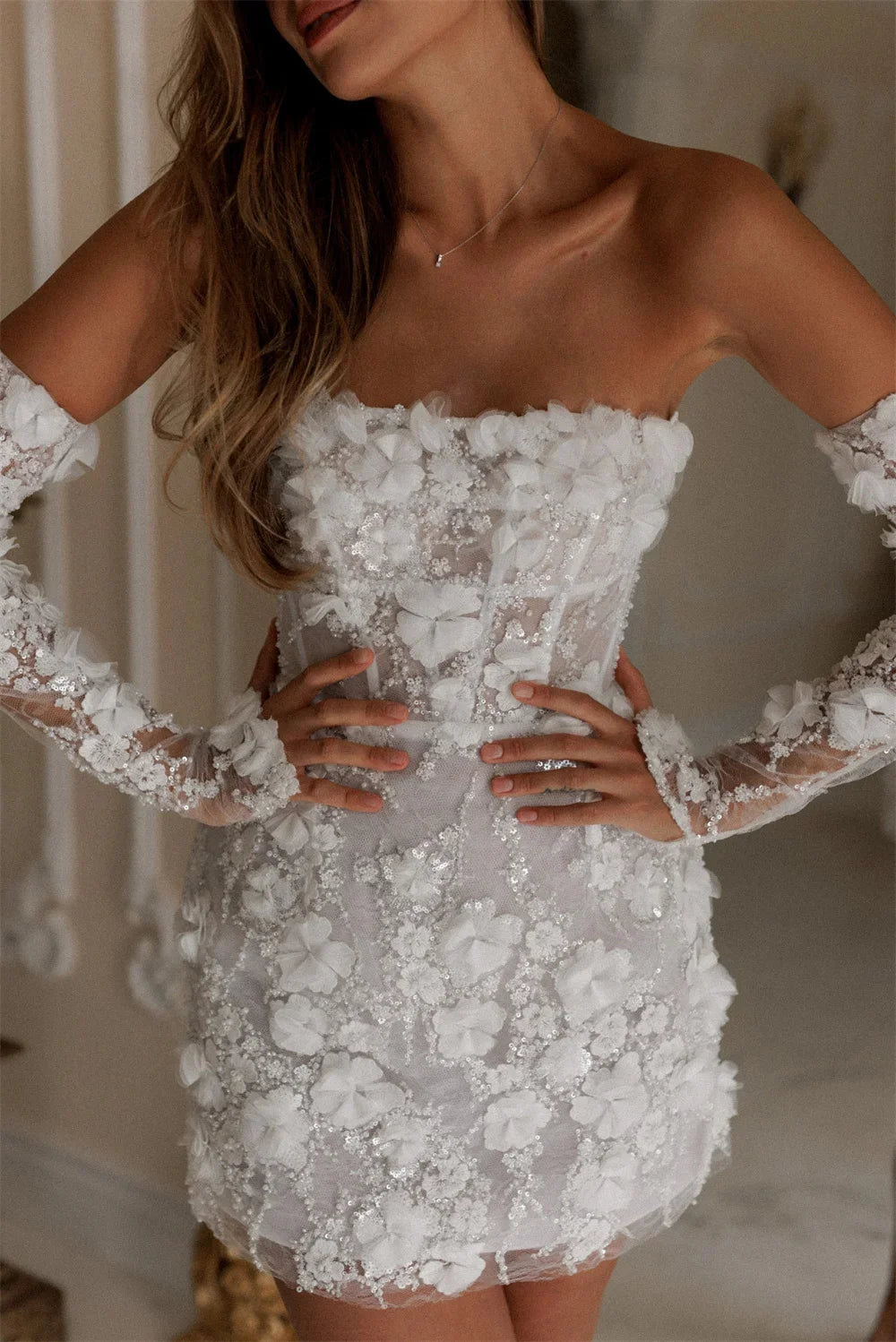
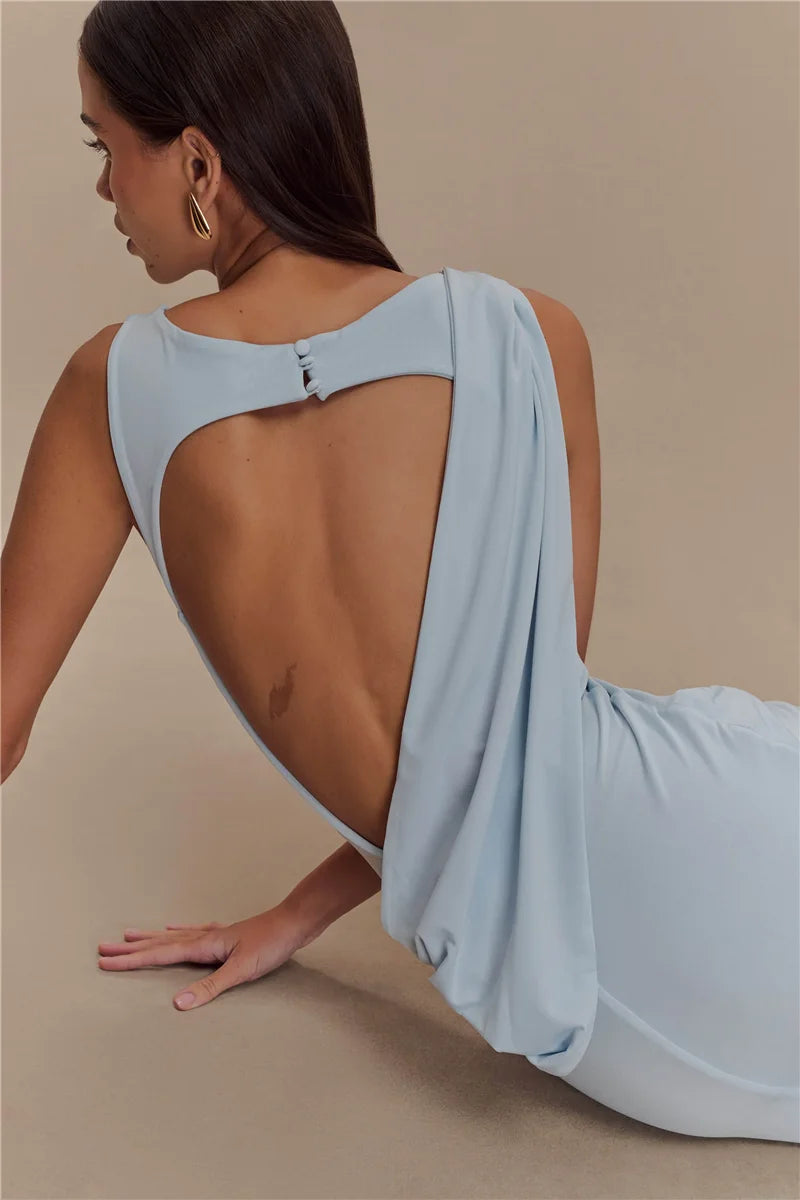

Know Your Colors: The Color Season Analysis That Changes Everything
The Art of the Find — Color Edition
Know Your Colors: The Color Season Analysis That Changes Everything
Good style starts with a sharp eye. But the sharpest tool in your wardrobe is knowing exactly which colors make you glow — and which ones quietly work against you.
There is a difference between wearing a color and a color wearing you. Color season analysis is how you learn to tell the two apart.
You have probably stood in a changing room, pulled on something technically beautiful — the right silhouette, the right occasion — and still felt like something was slightly off. The dress did not feel like you. The top seemed to flatten rather than illuminate. You left without it, unsure why.
In many cases, the answer is not the cut. It is the color. Specifically, it is the relationship between the color of the garment and the undertone of your own skin, hair, and eyes. When that relationship is harmonious, you do not just look dressed. You look alive.
Color season analysis — a system developed from color theory and personal styling — is the tool that clarifies exactly which colors belong in your wardrobe and which ones, however beautiful on a rack, will always work slightly against you. Understanding it is the difference between a wardrobe that looks good and a wardrobe that makes you look extraordinary.
What Is Color Season Analysis?
Color season analysis is a method of categorizing your personal coloring — skin undertone, natural hair, and eye color — into one of four seasonal palettes: Spring, Summer, Autumn, or Winter. Each season corresponds to a family of colors that share specific qualities: warmth or coolness, depth or lightness, clarity or softness.
The core principle is simple. Your natural coloring carries an inherent harmony. When the colors you wear mirror that harmony, they amplify your features, brighten your complexion, and create an impression of effortless confidence. When they work against it, they can create flatness, sallowness, or a subtle disconnect between the wearer and the worn.
The four seasons are not rigid boxes. They are a framework — a starting point for building a wardrobe with genuine intention.
The Four Color Seasons
Springs have warm, golden undertones with a fresh, light quality to their coloring. Hair tends toward golden blonde, warm brown, or strawberry. Skin is often peachy, ivory, or warm beige. Eyes are bright: blue-green, hazel, or golden brown.
Colors that glow on Spring: Warm corals, peach, camel, light warm olive, turquoise, golden yellow, ivory, and warm salmon. Think clear, warm, and luminous.
Avoid: Cool greys, heavy black, stark white, burgundy
Summers carry cool undertones with a soft, blended quality. Hair is ash blonde, cool brown, or soft grey. Skin tones range from fair to medium with pink or rosy undertones. Eyes are soft blue, grey-blue, or cool grey-green.
Colors that glow on Summer: Dusty rose, soft lavender, cool mauve, powder blue, sage, slate, and soft plum. Think cool, muted, and gentle.
Avoid: Warm oranges, earthy browns, jet black, bright yellow
Autumns have rich, warm undertones with depth and intensity. Hair is auburn, deep copper, warm brown, or dark chestnut. Skin tones carry warmth: golden, olive, or deep bronze. Eyes are hazel, amber, dark green, or deep brown.
Colors that glow on Autumn: Terracotta, burnt orange, deep olive, rust, teal, warm chocolate, mustard, and forest green. Think earthy, rich, and grounded.
Avoid: Cool pastels, icy tones, jet black, stark white
Winters have cool or neutral undertones with high contrast between their features. Hair is dark brown, jet black, or stark silver. Skin ranges from fair porcelain to deep ebony with cool, neutral, or olive undertones. Eyes are dark, sharp, or strikingly pale.
Colors that glow on Winter: True black, pure white, cobalt blue, deep plum, ice pink, emerald, cherry red, and navy. Think bold, clear, and high-contrast.
Avoid: Warm oranges, camel, muted earth tones, warm browns
How to Find Your Season: The Undertone Test
Your undertone is the starting point for everything. It determines whether warm or cool colors will harmonize with your natural coloring — and is the single most important variable in color analysis. Here are four reliable ways to identify it.
Four Ways to Read Your Undertone
Once you have identified your undertone as warm or cool, the next question is depth — how light or deep is your overall coloring? Light, deep, and everything in between will determine whether you lean Spring or Autumn (warm), or Summer or Winter (cool).
The right color does not just complement your outfit. It complements you — your complexion, your presence, the impression you leave when you walk into a room.
Why It Matters More Than You Think
Color is the first thing the eye registers — before silhouette, before detail, before fit. In a fraction of a second, the relationship between the color of your clothing and the natural tones of your face is already creating an impression. When that relationship is right, the effect is remarkable.
Your skin looks clearer. Your features appear more defined. The slight shadows under your eyes soften. Your hair looks richer. Your presence in a room reads as more composed — not because you are wearing anything louder, but because everything you are wearing is working with you rather than subtly against you.
When the color is wrong, none of these things happen, even if the piece is otherwise impeccable. A stunning olive-green silk dress will illuminate an Autumn but quietly flatten a Summer. A cobalt blue will look remarkable on a Winter and oddly dull on a Spring. The garment did not change. The relationship did.
This is why two women can wear the same dress and have profoundly different experiences of it. One feels exactly right. The other cannot quite explain why it did not work.
Color Analysis and Building a Wardrobe With Point of View
Knowing your season is not about wearing the same six colors for the rest of your life. It is about building a wardrobe anchored by the shades that amplify you — and understanding which departures are worth making and when.
- Buying beautiful pieces that somehow never feel quite right once worn
- Wearing pieces that flatter the hanger more than the wearer
- Feeling slightly washed out in some colors without knowing why
- Struggling to see a coherent visual identity across your wardrobe
- Over-relying on black as a "safe" choice
- Every piece you buy works with your natural coloring, not against it
- Your complexion looks clearer and more defined in photographs
- You spend less time second-guessing a purchase
- Your wardrobe builds a coherent signature — recognizable but not repetitive
- Wearing color feels intentional, not risky
At The House of CO-KÝ, we curate with exactly this kind of intention. Every piece we bring into the House is chosen for its shape, presence, and the quality of its palette — whether that is a rich terracotta dress that belongs in an Autumn wardrobe, an icy cobalt piece made for Winter, or a warm coral set that will illuminate a Spring. The curation does the work so the discovery feels instinctive.
Knowing your season means you will always know exactly which finds are yours.
CO-KÝ Style Notes
How to Use Your Season at The House
- Spring: Look for warm corals, peach-toned neutrals, turquoise, and golden camel. Avoid anything that reads icy or grey-cool. The new arrivals with warm earth and sunset tones were made for you.
- Summer: Look for dusty rose, cool mauve, powder blue, sage, and soft lavender. Any piece described as "muted," "soft," or "cool-toned" is worth exploring. Our blush and stone tones are a natural starting point.
- Autumn: Look for terracotta, burnt orange, rich teal, warm olive, mustard, and chocolate. If it has depth, warmth, and a slightly earthy quality — it is likely yours. Statement sets in amber and rust tones are your natural territory.
- Winter: Look for strong contrast: true black, pure white, cobalt, deep plum, and cherry. You can carry color others cannot. The boldest pieces in the House were built for you. Wear them fully.
- On neutrals: Every season has a neutral register. Autumns wear warm chocolate and camel. Summers wear stone and rose-grey. Winters wear pure white and charcoal. Knowing yours gives you a foundation that always works.
- On breaking the rules: Knowing your palette also tells you when to depart from it — and what to expect when you do. A Winter wearing a warm camel coat is making a stylistic choice, not a mistake. That is a different thing entirely.
Frequently Asked Questions
What is color season analysis?
Color season analysis is a system that identifies which color palette best complements your natural coloring — your skin undertone, hair color, and eye color. It divides personal coloring into four seasonal types: Spring, Summer, Autumn, and Winter. Each season corresponds to a family of colors that harmonize with your features to make you look clearer, more vibrant, and more defined.
How do I find out what color season I am?
Start with your undertone. Check your inner wrist veins in natural light — blue-purple suggests cool, green-olive suggests warm. Then consider your hair depth and eye brightness. Warm and light = Spring. Cool and soft = Summer. Warm and deep = Autumn. Cool and high-contrast = Winter. If you are unsure, a personal color consultation with a trained analyst is the most accurate method.
Does color season analysis work for all skin tones?
Yes. Color season analysis applies across the full range of skin tones. Undertone — not skin depth — is the primary variable. Deep skin can be Autumn or Winter. Fair skin can be Spring or Summer. The season is about the harmonic quality of your coloring, not how light or dark it is.
What if I want to wear colors outside my palette?
You can absolutely wear colors outside your seasonal palette — and many women do intentionally. Knowing your season simply means you understand the effect. Moving your most impactful color (the one closest to your face) into your best palette while keeping other pieces outside it is one of the most practical ways to use the system without restricting your style entirely.
Why do some colors make me look tired even if I love them?
Colors that conflict with your undertone can draw attention away from your features and toward the shadows and undertones they amplify. A cool-toned garment on a warm complexion can highlight yellowness. An overly warm color on a cool complexion can make redness more pronounced. This is not a flaw in the color — it is a mismatch in the relationship between color and coloring.

Ecrit par TheHouse OfCoky


Laisser un commentaire
Ce site est protégé par hCaptcha, et la Politique de confidentialité et les Conditions de service de hCaptcha s’appliquent.